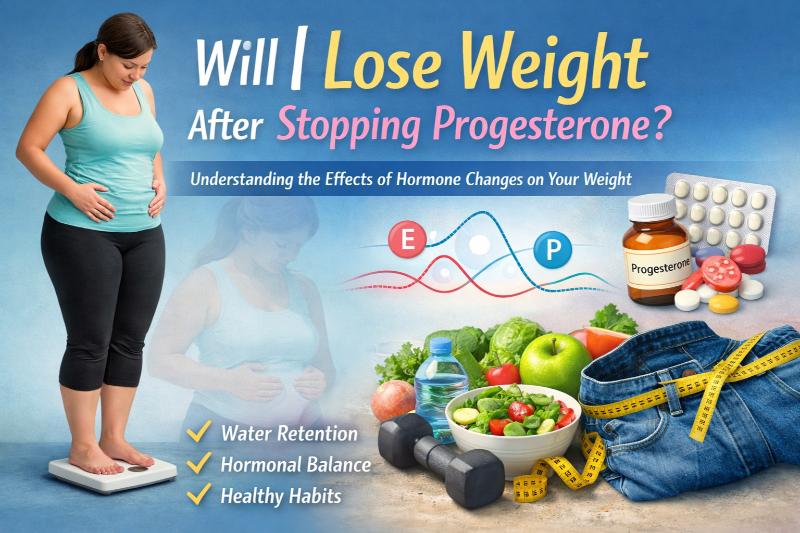
Many people who take progesteronewhether for hormone therapy, birth control, fertility treatments, or menopause managementoften notice changes in their body weight. A common question that arises is: Will I lose weight after stopping progesterone?
The answer depends on several factors, including your body’s hormone balance, lifestyle habits, and the reason progesterone was prescribed. In this article, we’ll explore how progesterone affects weight and what you can expect after stopping it.
Understanding Progesterone and Its Role in the Body
Progesterone is a natural hormone that plays an important role in the reproductive system. It helps regulate the menstrual cycle, supports pregnancy, and balances estrogenic effects. Doctors may prescribe progesterone for conditions such as:
- Hormone replacement therapy (HRT)
- Irregular periods
- Polycystic ovary syndrome (PCOS)
- Fertility treatments
- Menopause symptom management
While progesterone is essential for many health functions, it can sometimes cause side effects, including fluid retention, bloating, and changes in appetite, which may lead to temporary weight gain.
Can Progesterone Cause Weight Gain?
Progesterone itself does not directly cause fat gain in most cases. However, it may lead to weight changes through indirect effects, such as:
1. Water Retention
Progesterone can cause the body to retain water, which may temporarily increase weight.
2. Increased Appetite
Some people experience increased hunger while taking progesterone, which can lead to eating more calories.
3. Hormonal Fluctuations
Hormones influence metabolism. When progesterone levels change, the body may respond with shifts in energy balance.
Because of these factors, some individuals notice a slight increase in weight while using progesterone.
Will You Lose Weight After Stopping Progesterone?
In many cases, you may lose some weight after stopping progesterone, especially if the weight gain was caused by water retention or bloating. Once the hormone leaves your system, your body may gradually return to its natural balance.
However, weight loss is not guaranteed. The outcome depends on several factors:
- Your diet and calorie intake
- Physical activity levels
- Your underlying hormonal condition
- Metabolism and genetics
If progesterone increased your appetite and eating habits changed during treatment, you may need to adjust those habits to see weight loss.
How Long Does It Take for Weight Changes to Occur?
After stopping progesterone, hormone levels typically stabilize within a few weeks. Some people may notice reduced bloating within days, while others may take 2–6 weeks to see changes in weight or body composition.
Everyone’s body reacts differently, so patience is important.
Tips for Healthy Weight Management After Stopping Progesterone
If you’re hoping to lose weight after discontinuing progesterone, these strategies may help:
Maintain a Balanced Diet
Focus on whole foods such as vegetables, lean proteins, whole grains, and healthy fats.
Stay Physically Active
Regular exercise—such as walking, strength training, or cycling—can help regulate metabolism.
Stay Hydrated
Drinking enough water can reduce bloating and support overall health.
Monitor Hormonal Health
If weight changes persist, consult a healthcare provider to check for hormonal imbalances.
When to Talk to a Doctor
If you experience significant weight gain, persistent bloating, or other symptoms after stopping progesterone, it may be helpful to speak with a healthcare professional. They can evaluate hormone levels and rule out other conditions that may affect weight.
Final Thoughts
So, will you lose weight after stopping progesterone? The answer varies from person to person. Some individuals notice a small drop in weight due to reduced water retention and hormonal stabilization, while others may not experience significant changes. Maintaining healthy lifestyle habits remains the most reliable way to support long-term weight management and overall well-being.
